Jio vs Airtel in India’s Duopoly Market: How 75% Control is Reshaping Your Wallet in 2025

Imagine your network abruptly disappearing while you are in the middle of purchasing a train ticket online. Changing operators? In actuality, Jio vs. Airtel are your only two viable choices.
Once dominated by Vodafone, Idea, BSNL, Tata Docomo, and MTNL, the Indian telecom sector has now become a duopoly market. And in the digital economy, this change has a direct effect on how we interact, spend, and develop.
Let’s break it down desi-style, the MoneyVai way.
Unlike random WhatsApp gyaan, this guide is powered by official and trusted sources.
What is a Duopoly in Telecom?
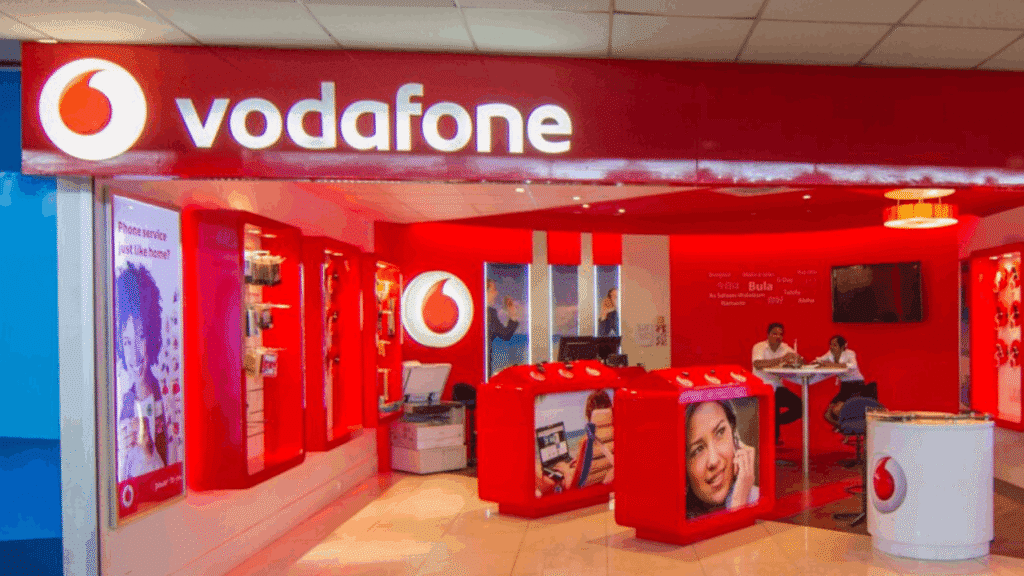
A duopoly means only two dominant players control a market. In India, Reliance Jio and Bharti Airtel hold nearly 70% of subscribers and over 80% of industry revenues (TRAI, 2025). Vodafone-Idea is financially unstable, and BSNL/MTNL lag behind in tech.
Think of it like food delivery apps — you basically have Swiggy and Zomato. Same here: Jio and Airtel rule telecom.
MoneyVai Hack:
When only two operators rule, their moves affect your bill. Always check both plans before recharging.
How Did This Duopoly Form?
The story began in 2016, when Jio flooded the market with free data, much like a holiday bonus that shakes things up. Back then, India had 13 telecom companies; today, only 3-4 major players remain. Jio’s aggressive pricing decimated smaller players such as Aircel and Tata Docomo. Airtel has fought back, but Vi and BSNL are struggling. In June 2025, Jio added 1.9 million new subscribers, Airtel 1 million, and Vi lost users.
Analogy: Imagine a local train with only two open gates; everyone is forced to rely on them, resulting in chaos. The government agrees; Union Minister Jyotiraditya Scindia stated in June 2025, “Duopoly is not good; there must be competition in every sector.”
MoneyVai Hack:
Monitor tariff hikes – plans have risen 20% in the last year. Set a reminder every 3 months to review and switch plans, saving Rs. 500-1,000 annually.
The Pros of Jio-Airtel Duopoly
1. Stronger Networks, Faster Tech
Both giants are investing heavily: Airtel spent ₹43,000 crore on 5G spectrum, Jio went bigger with ₹88,000 crore (SEBI, 2024). Better towers, faster data, fewer call drops.
Example: Ramesh, an Ola driver in Mumbai, depends on GPS and UPI. With Jio’s ₹239 recharge (1.5GB/day), he secures his daily income without worrying about data blackouts.
2. Internet Revolution
India now has 881 million broadband subscribers (TRAI, 2024), making it the world’s second-largest internet market. Jio’s cheap data made OTT and online education mainstream; Airtel’s bundles bring OTT + UPI + cashback in one place.
MoneyVai Hack:
Pick annual bundles with OTT. Example: Jio’s ₹1499 annual pack includes Amazon Prime + Hotstar. Saves ₹1,000+ yearly.
The Cons of Duopoly
1. Rising Tariffs
In July 2024, both Jio and Airtel hiked prepaid tariffs by 12–20%. With only two players, there’s little price competition.
Case Study: Anita, a student in Kolkata, saw her ₹199 recharge plan jump to ₹249. Her monthly budget of ₹2,000 now squeezes, forcing her to skip OTT subscriptions.
2. Fewer Choices
In 2010, there were 7–8 operators. Today, the telecom menu feels like just two thalis — vegetarian (Jio) and non-vegetarian (Airtel). Less variety, less bargaining power for consumers.
3. Rural Neglect
Urban areas get 5G first, while villages in Bihar, Odisha, or Jharkhand still face unstable coverage.
MoneyVai Hack:
Keep a backup SIM from BSNL or Vi in rural areas. Underdogs sometimes surprise with coverage where giants don’t.
Real Family Case Study — The Sharma Dilemma
The Sharmas in Delhi use mixed plans:
- Father: Airtel Postpaid ₹799/month
- Mother: Jio Prepaid ₹299/month
- Son: Jio Student Plan ₹249/month
- Daughter: Airtel Black ₹999/month
Total monthly telecom spend: ₹2,346.
After 2024 tariff hikes, their annual bill rose by ₹4,000. They downgraded the daughter’s Netflix plan to control costs.
Lesson: Duopoly hits families harder, especially multi-user households.
What People Are Saying Online
- Quora User (Source: Quora): “When Jio raises prices, Airtel copies. No real competition left.”
- Reddit India User (Source: Reddit/r/India): “Shifted to Airtel for 5G, but tariffs keep climbing. Feels like being trapped.”
MoneyVai Hack:
Recharge long-term packs before price hikes. Like stocking onions before festive season, it shields your pocket.
The Effect of Duopoly on India
- Consumers: Higher bills, fewer choices, dependence on two companies.
- Businesses: Small businesses benefit from stable internet, but face rising costs.
- Government Revenue: Spectrum auctions bring thousands of crores to govt coffers.
- Digital Economy: Boosts UPI, OTT, EdTech — but with risks of limited competition.
The Future of Telecom in India
- Tariffs Will Keep Rising
Both Jio and Airtel have hinted that India has the “cheapest data in the world” and future hikes are inevitable. - Consolidation, Not Expansion
Vodafone-Idea may survive only with govt bailouts. BSNL’s 4G/5G rollout is delayed. So Jio-Airtel’s dominance is likely to strengthen. - Tech Diversification
Both are expanding beyond telecom — into digital payments, broadband, OTT, IoT, and cloud services. Think of them as future tech conglomerates, not just telcos. - Possible Govt Intervention
If tariffs keep climbing, TRAI or the Competition Commission of India (CCI) may step in to regulate pricing and ensure fairness.
MoneyVai Hack:
Expect data costs to rise. Budget telecom like electricity — fixed monthly spend. Treat annual recharges as an investment in stability.
Quick Checklist — Smart Telecom Survival
| Action | Benefit |
|---|---|
| Compare Jio vs Airtel monthly | Saves ₹200–500/year |
| Use annual packs | Avoids tariff hikes |
| Keep backup SIM | Avoids downtime |
| Switch to Wi-Fi for OTT | Cuts data usage |
| Switch to BSNL for basics | Cheaper alternatives |
| Track bundle offers | Saves ₹500–1500 on OTT |
Final Words: Stay Smart, Stay Connected
India’s telecom duopoly is here to stay. Prices may rise, but so will service quality. As consumers, the trick is to play smart — lock in long-term plans, exploit OTT bundles, and always compare before paying.
Because in the end, it’s not just about strong signal bars. It’s about keeping your financial signal strong in a market where only two towers stand tall.
” Vai Hai Saath , Chhodo Tension Ki Baat “
For more in-depth, well-researched insights, explore MoneyVai Exclusive
FAQs
Why is India’s telecom a duopoly now?
Because Jio’s cheap pricing wiped out competitors, and high AGR dues killed others. Only Jio and Airtel remain strong.
Will telecom prices keep rising?
Yes. Both Jio and Airtel openly said India’s tariffs are “unsustainably low” (TRAI reports).
Is government doing anything about it?
TRAI monitors pricing, but operators are free to set tariffs. Govt supports BSNL as a balancing player.
Who has better service — Jio or Airtel?
Region-specific. Jio often has better speeds; Airtel is known for call clarity.
What’s the future for Vodafone-Idea?
Survival depends on govt aid and fundraising. Without it, the market may shrink further.